
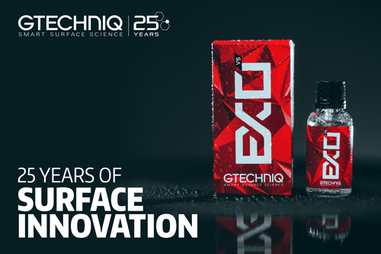
The Science of Gtechniq: 25 Years of Innovation
In 2026, Gtechniq celebrates 25 years of science driven innovation in automotive surface protection.…
Having been part of the detailing community for more than a quarter-century, we realize a lot goes into the science and art of car care - and new products and techniques come along seemingly every day. That's why we've written numerous blogs and how-to guides for all experience levels that will teach you the ins and outs of detailing. Whether you're about to attempt your first detailing job or are a professional detailer looking to polish your skills, these car detailing tricks will make shine happen.
In 2026, Gtechniq celebrates 25 years of science driven innovation in automotive surface protection.…

Part 1 Compounding Intro: Understanding Severe Paint Defects We have all seen it before dull, faded…

Detailing a Legend in the Autogeek Bay The Autogeek Detailers recently had a chance to work on one o…

That's right, FLEX Fridays are making their return! This is your chance to score exclusive FLEX poli…

When it comes to detailing your car, the glossy paint, sparkling wheels, and streak-free windows oft…

Your wheels and tires are arguably the most abused parts of your vehicle. They constantly battle bra…

Your car's windows and windshield are critical to safe driving and the overall appearance of your ve…

Hello again, detailing warriors and car care enthusiasts! You've spent hours perfecting your paint,…
Your car is more than just a mode of transportation- it's an investment and a source of pride. Keepi…
Hello again, car detailing enthusiasts. Let's finish our Paint Correction Series strong! Last week,…

Hey there, car lovers! You've spent hours washing and waxing your car, but in the right light, you s…

Recap and Gear Up for a Perfectly Smooth Finish with Autogeek Decontamination Products! Hello again,…

Say Goodbye to Grime! The Power of Decontamination Sprays and Clay Bars for a Smooth Finish Greeting…
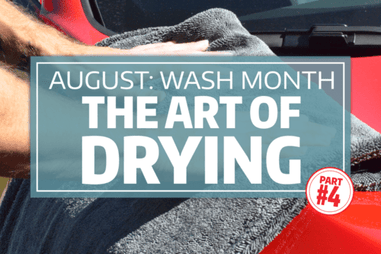
The Right Techniques and Products to Dry Your Car for a Spotless Finish Welcome to the final install…
Welcome back to the Autogeek August Car Wash Series! In Part 1, we covered choosing the right car wa…
Welcome back to the Autogeek August Car Wash Series! Last week, in Part 1, we discussed the importan…
Welcome to the Autogeek August Car Wash Series, your ultimate guide to achieving a professional, swi…

At Autogeek.net, we love a good success story, especially when it involves a passion for detailing a…

This 4th of July week, as we celebrate the spirit of independence, there's no better way to show you…

Calling all car care fanatics and detailing devotees! We've got some exciting news that's been brewi…